2026-10-10 ·
After the Storm: 8 Steps Before You Call a Roofer
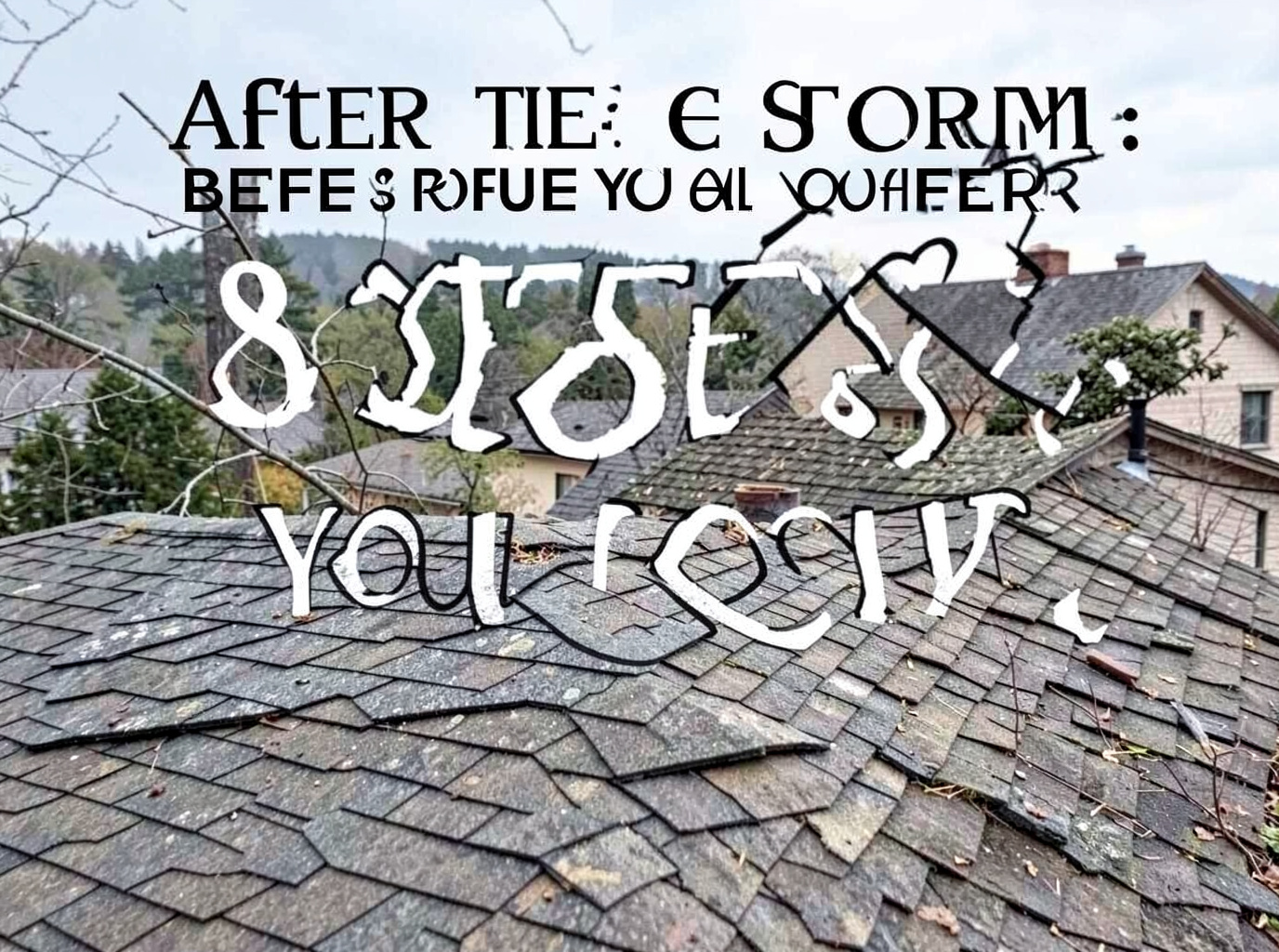
After a storm in Duluth, complete these eight steps before calling a roofer: stay off the roof, document visible issues, inspect inside, check the attic, examine shingles and vents, review flashing, note surrounding trees, and decide on temporary protection. These actions help homeowners in St. Louis County avoid unnecessary repairs while identifying real problems caused by high winds and heavy rain from Lake Superior. Cold winters followed by sudden thaws often worsen minor storm damage on older homes common in Lincoln Park and Central Hillside.
Safety First After Lake Superior Storms
High winds off Lake Superior can leave loose shingles, downed branches, and unstable sections on roofs throughout Duluth. Homeowners in Park Point and Endion should avoid climbing ladders until daylight and stable conditions return. Check for downed power lines near Morgan Park or Piedmont Heights before approaching any structure. Document everything from the ground with photos and notes on date and time. This record proves useful when discussing repairs with contractors serving Superior and nearby towns. Focus on personal safety over speed, since wet surfaces and hidden ice patches remain common even after the main event passes.
Document Damage Thoroughly
Take clear photos of missing shingles, dented flashing, and debris piles from multiple angles in areas like Lakeside and Denfeld. Note any new interior stains on ceilings in older housing stock typical of East Hillside. Record locations near the Aerial Lift Bridge or Canal Park where lake-driven winds often concentrate force. Store images with timestamps. This documentation supports claims and helps roofers target inspections without guesswork. Residents in West Duluth frequently see wind-driven rain push under older three-tab shingles, so close-up shots of edges and valleys matter most.
Inspect Interior and Attic Spaces
Walk through every room and check ceilings, especially in homes built before 1960 that dominate Central Hillside and Lincoln Park. Look for new water spots or sagging drywall after heavy rain. Climb into the attic with a flashlight to scan insulation for dark patches or active drips around vents. Cold air infiltration from Lake Superior moderated summers can mask slow leaks until they grow. Compare findings against the How Blizzards and Lake Winds Damage Roofs in Duluth guide for context on regional patterns. Mark suspect areas with tape so professionals can locate them quickly.
Check Exterior Features and Consider Next Actions
Walk the yard and scan gutters for displaced shingles or metal debris common after storms near Enger Tower and the North Shore Scenic Railroad tracks. Examine pipe boots and chimney flashing on homes in Congdon Park where mature trees drop limbs. If active dripping continues, review options for temporary coverage before full repairs. The eight steps reduce surprise costs and focus attention on actual storm damage rather than pre-existing wear. When ready, contact specialists familiar with storm damage roof repair and wind damage roof repair serving Duluth, MN and surrounding St. Louis County communities.